
Home Rewiring and Electrical Upgrades — A Practical Guide for UK Homeowners
Is your home due for rewiring or electrical upgrades? Learn the warning signs, process and benefits from a domestic electrician’s perspective.
As household electrical demands continue to grow, older wiring systems can struggle to keep up. Rewiring or upgrading your home’s electrical system is a major investment — but one that greatly improves safety, efficiency and peace of mind.
When Does a Home Need Rewiring?
Rewiring may be necessary if your property shows signs such as:
- Regular power outages or tripping circuits
- Buzzing sockets or switches
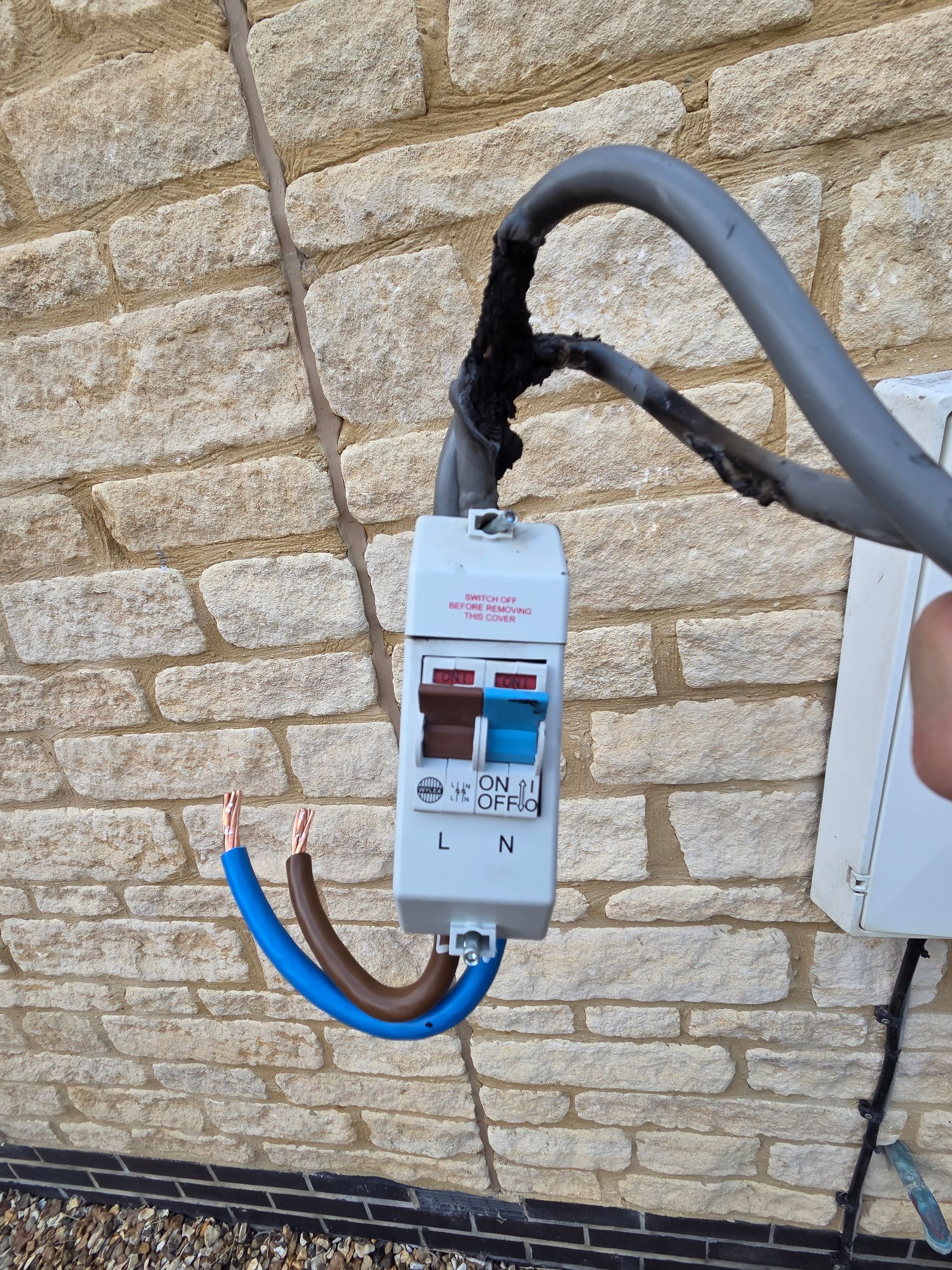
- Discoloured or damaged outlets
- Lack of modern safety features
- Wiring that is several decades old
Older wiring insulation can deteriorate over time, increasing the risk of faults and fires.
What Happens During a Rewire?
A professional rewire typically involves:
- Assessing the existing electrical system
- Replacing outdated or unsafe cabling
- Installing a modern consumer unit with RCD protection
- Fitting new sockets, switches and lighting points
- Thorough testing and certification
While disruptive in the short term, rewiring future-proofs your home for modern living.
Electrical Upgrades Without Full Rewiring
Not all homes require a complete rewire. In some cases, targeted upgrades may be sufficient, such as:
- Consumer unit replacements
- Adding extra sockets
- Upgrading earthing and bonding
- Installing surge protection
- Preparing circuits for electric vehicles or smart technology
A qualified electrician can advise on the most cost-effective solution.
Why Professional Expertise Matters
Electrical rewiring and upgrades must meet strict UK safety standards. Professional electricians ensure work is completed safely, legally and efficiently. Choosing a qualified domestic electrician provides reassurance that your home’s electrical system will remain safe for years to come.